

Since the First Zionist Congress was held in 1901, many remarkable stories about the ultimate creation of the State of Israel in 1948 are often forgotten over time.
Former stalwarts from the early days and established authors do publish books about the miracles of those early days, but the public at-large remain ill-informed about so many of those great achievements.
The story of Givat HaKibbutzim and the amazing manner in which it grew into a munitions factory is a classical example how our early pioneers found ways and means to survive with ingenuity.
Givat HaKibbutzim, located near Rehovot, was established in 1946 as an agricultural training farm.
Built on a hill, the site became ideal for a clandestine factory to be built under the hill, designed to manufacture bullets.
As early as 1930, Jews in British Mandatory Palestine needed weapons to gain a foothold in the country while fighting for independence.
Not just to protect themselves from the Arab raiders who resented their presence, but also from British authorities who were outlawing secret efforts to smuggle Jewish refugees, first from Russia, then from war-torn Europe, into the Jewish homeland.
Early Jewish pioneers from 1920 onward were obtaining weapons through a combination of clandestine local workshops and secret international procurement networks.
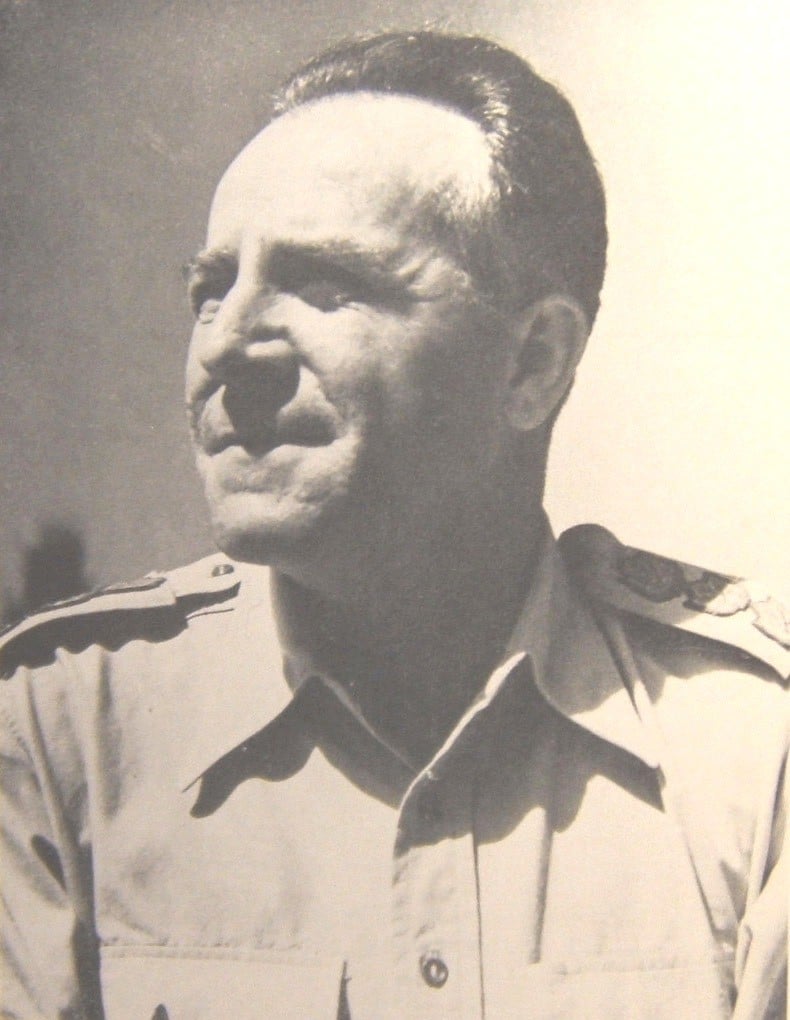
Operations were under the control of Yosef Avidar, senior commander in the Jewish paramilitary organisation, the Haganah.
Although the Haganah was obtaining all sorts of weapons, including Sten sub-machine guns, they didn’t have the brass needed for the 9 mm cartridges.
In 1938, Yosef Avidar arranged through the secret network for ample supply of brass to be shipped from Poland to Beirut, then off-loaded and sent by train to Rehovot.
The Kibbutz Hill Project
Setting the project in motion without arousing suspicion did present some challenges.
A factory was needed to manufacture the bullets under the noses of the British authorities who wouldn’t be able to smell a rat.
The large quantity of brass had to be smuggled in without raising questions about its use and the need for importing large quantities.
Location of the factory was a critical factor, but it was finally decided to choose Kibbutz Hill under Givat HaKibbutzim where there was ample room for underground construction.
The factory was established in less than 1 month and to maintain secrecy Givat Hakibbutzim was converted into a kibbutz with commercial facilities operating day and night to blanket the noise of manufacturing underground.
When questioned about the quantity of brass being imported, the British import agents were told that the kibbutz was manufacturing brass cases for kosher lipstick.
The explanation stuck!
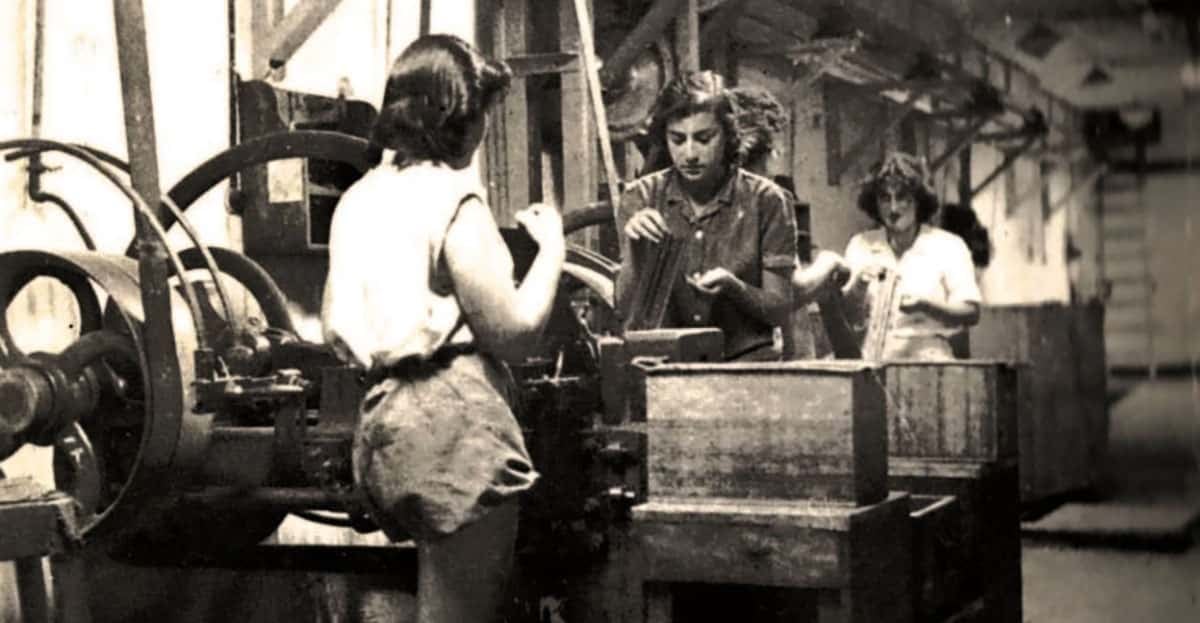
The Kibbutz Hill underground factory initiative produced some 2.25 million bullets in the three year period of its operation with some 50 members of the kibbutz working long hours under very strenuous and unhealthy conditions.
The Ayalon Institute Museum
The secret munitions factory story was not made public until 1975 and in 1987 was officially designated as a national preservation site titled The Ayalon Institute Museum.
One of Israel’s most fascinating sites.
A fine record of dedicated people who helped to build our country.