

One of the intellectual founders of Labor Zionism, Berl Katznelson dreamed of settling in the Jewish homeland from an early age and in 1909 made aliyah to Ottoman Palestine.
He was born in what is now Belarus and showed an early interest in the growth of Jewish life throughout the ages.
In his hometown he was a librarian in a Hebrew-Yiddish library and taught Hebrew literature and Jewish history.
On making aliyah he took an active role in the organisation and welfare of Jewish workers.
Together with his cousin Yitzhak Tabenkin, Katznelson was one of the founders of the workers’ union, the Histadrut, which was founded in 1920 in British Mandate Palestine.
He also helped to establish the Clalit Health Services fund, a major fixture in Israel’s network of socialised medicine.
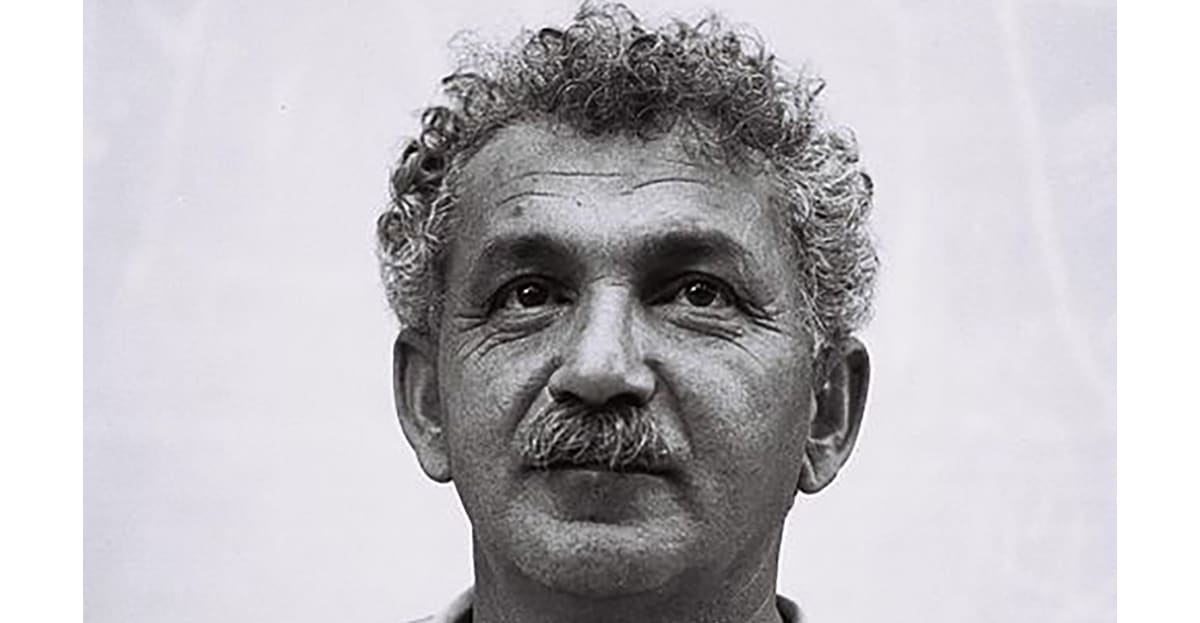
Berl Katznelson was well known for his desire for peaceful coexistence between Arabs and Jews in Mandatory Palestine, but was an outspoken opponent of the 1937 Peel Commission’s partition plan, dividing the territory between them.
He wanted a more comprehensive solution respecting both peoples’ rights, while ensuring a Jewish majority in their state enabling and sustaining a viable, socialist Jewish future.
There was absolutely no doubt in Berl Katznelson’s mind that exile and tyranny of the Jewish people over the centuries had built considerable self-hatred.
“Is there another People on Earth so emotionally twisted that they consider everything their nation does despicable and hateful, while every murder, rape, robbery committed by their enemies fill their hearts with admiration and awe?”
Berl Katznelson was a modest man.
Golda Meir remembered him as a pivotal figure in the life of the Jewish community in British Mandate Palestine.
He never held court or ever gave orders, but nothing was done, and no decision of any importance to the Labor movement was taken without his opinion being sought first.
Katznelson died before the Declaration of the State of Israel in 1948, and while his belief that people should strive to live in peace with their neighbours with mutual respect, his vision of peaceful co-existence is far from being achieved here in Israel.
However, leaders who genuinely seek peace and can build bridges will do much to abolish Jewish self-hatred, in addition to stemming the tide of antisemitism.