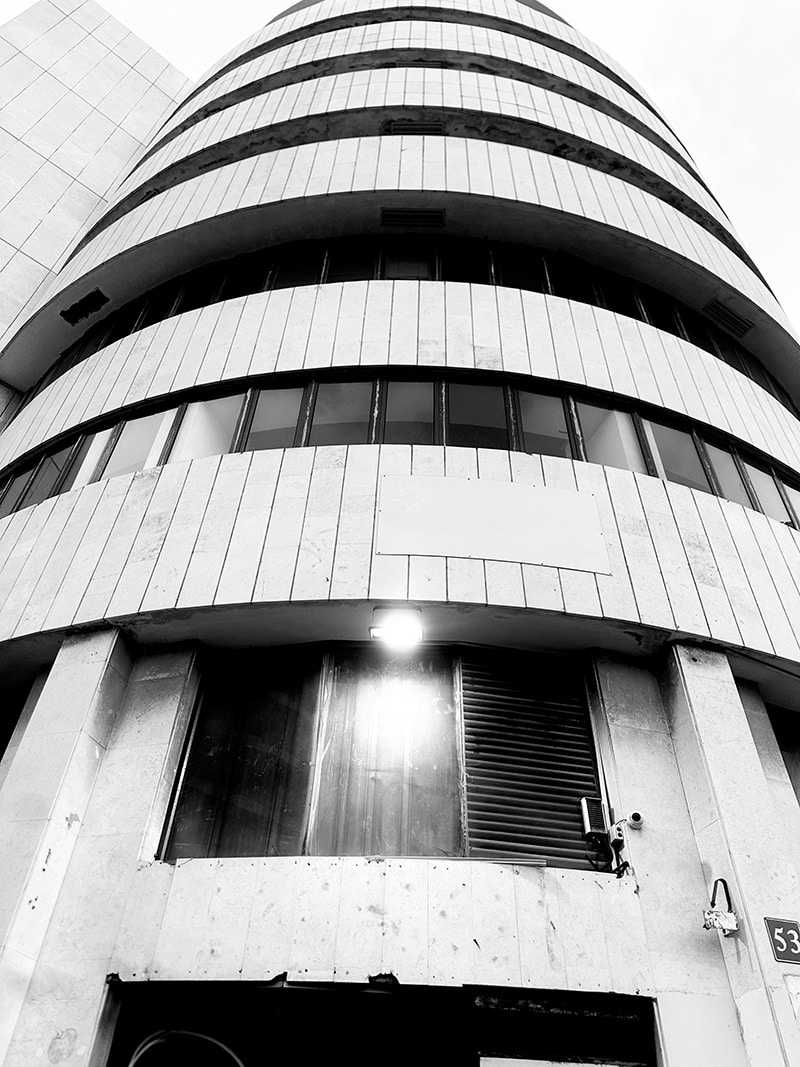

There’s a magic to exploring Tel Aviv on your own terms – a city that makes sure you’re never anonymous.
With the end of my trip near, I tossed aside guidebooks, skipped the tours, and refused the standard digital “must-see” lists. Instead, I decided to walk Tel Aviv by instinct, letting the city show itself in its own way.
Setting out from Noga (Jaffa), where sunlight softens old stones and new energy pulses through the streets, I found myself drawn to the Bauhaus story—a chapter written into Israel’s very foundations.
Tel Aviv is home to more Bauhaus buildings than any other city in the world – over 4,000 gems in what’s known as the “White City,” a UNESCO World Heritage site. But these aren’t just “white buildings” – look up and you’ll notice playful curves, bold columns, and winding balconies, each a product of necessity and hope.
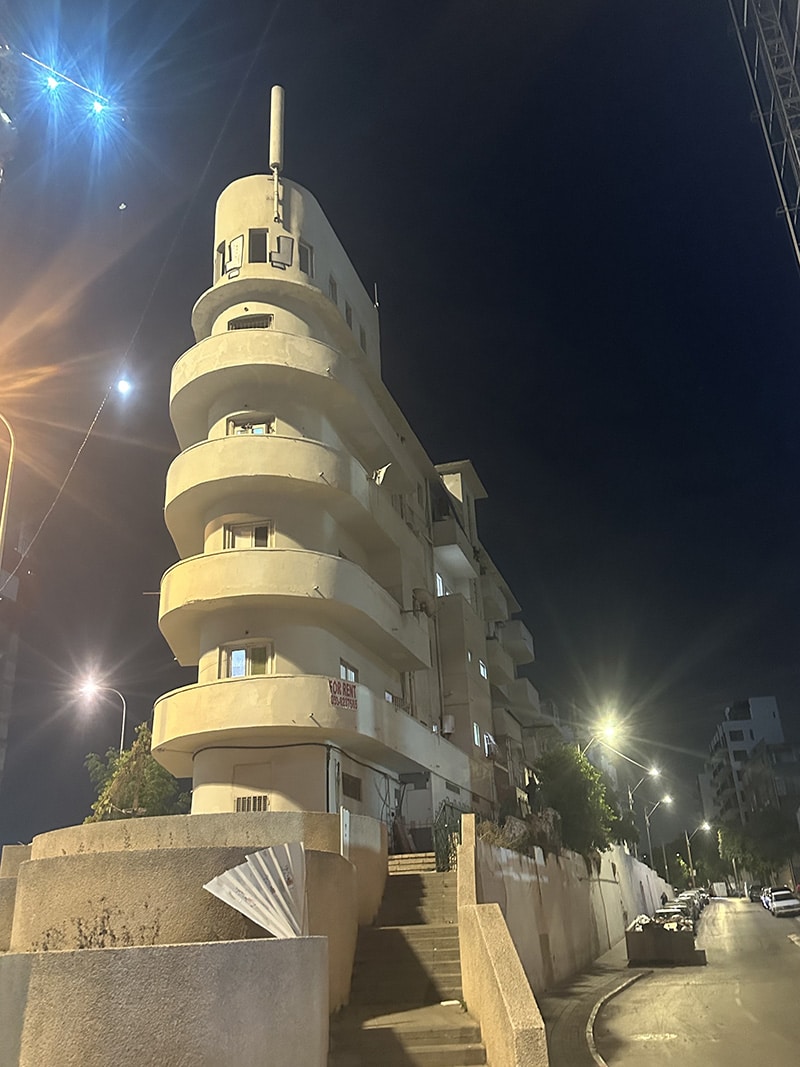
Why so many here? In the 1930s and ‘40s, Jewish architects fleeing Nazi Germany found safety in Palestine, bringing modernist visions – and dreams of renewal -with them. Arriving penniless but determined, these visionaries adapted Bauhaus ideals for a new land and fierce sun: windows and balconies reimagined for air, light, and community, shaded to beat the desert heat. Flat roofs became meeting places, facades softened to honey and cream by years of sun and salt air. Every block is a testament not just to genius design, but to the resilience, adaptation, and optimism at Israel’s core.
Walking here, you see more than architecture – you see daily life: e-scooters weaving, Hebrew and a dozen other languages tangled on the breeze. Tel Aviv’s Bauhaus is not for show – it’s for living, for welcoming generations of newcomers, for supporting family gatherings and neighborly chats.
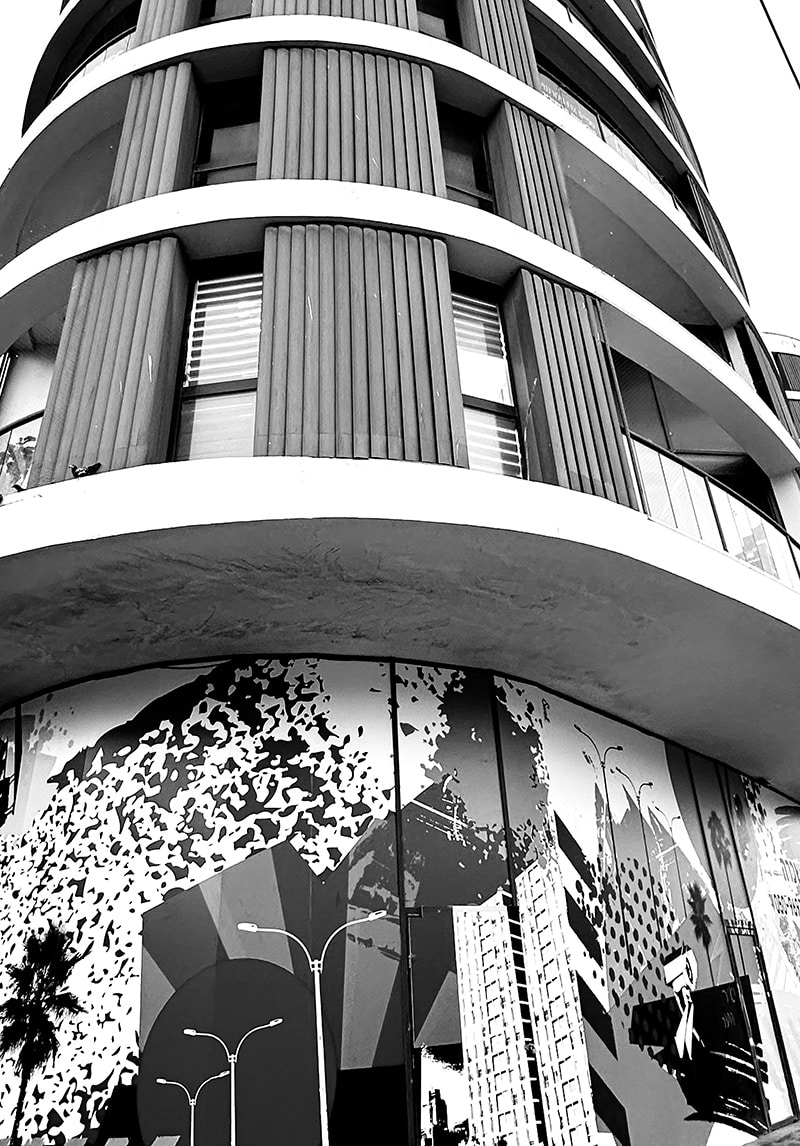
This city’s diversity is woven right into the Bauhaus story. The architects weren’t just building structures – they were building a future where Jews from many lands could put down roots in freedom. Tel Aviv’s White City stands as a rebuke to a Europe that cast them out, and a proud symbol of the Jewish drive to shape, build, and thrive in their own homeland.
Cafés brim with noisy debates, laughter, and outstretched hands. The energy never fades. Here, tolerance isn’t just an ideal – it’s lived, daily, among Bauhaus curves and shaded corners.
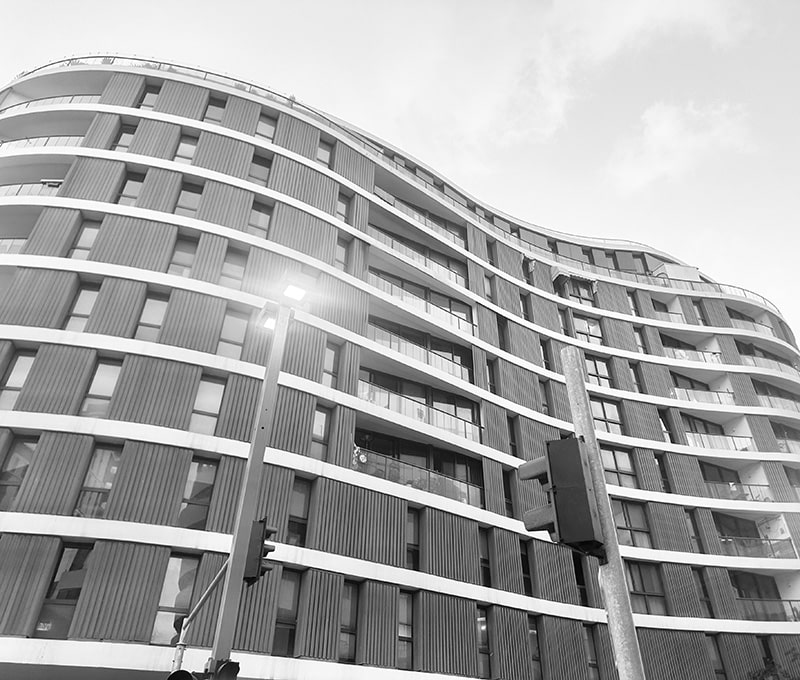
It struck me that these buildings don’t just frame moments – they safeguard the Jewish story of survival, adaptation, and hope. Where Berlin’s windows would scorch in Tel Aviv’s sun, here come the shaded ribbons and rooftop gatherings – architecture as resilience.
At the Bauhaus Centre, staff remind visitors that these aren’t just relics; they’re living lessons in how necessity and vision, forced migration and conscious design, can create something uniquely Israeli.
Next time you’re in Tel Aviv, skip the prescribed routes.
Walk from Rothschild to Florentin, let the sun and shade guide you, and see how the city’s buildings and its restless, resilient people move as one. This is what I’ll miss most – the sense that every curve and courtyard is there to welcome, to shelter, and to inspire the next chapter of the Jewish story.
Next time, I’m starting my walk by looking all the way up.