

Yesterday, the New York Times published not one but two hit pieces against Israel.
One, an opinion piece by Nicholas Kristof detailing supposed brutal sexual abuse perpetrated by Israel against male and female palestinian Arab “prisoners.”
The second, an “investigation” into – wait for it – Israel’s efforts to influence the Eurovision vote.
The Kristof Hit Piece
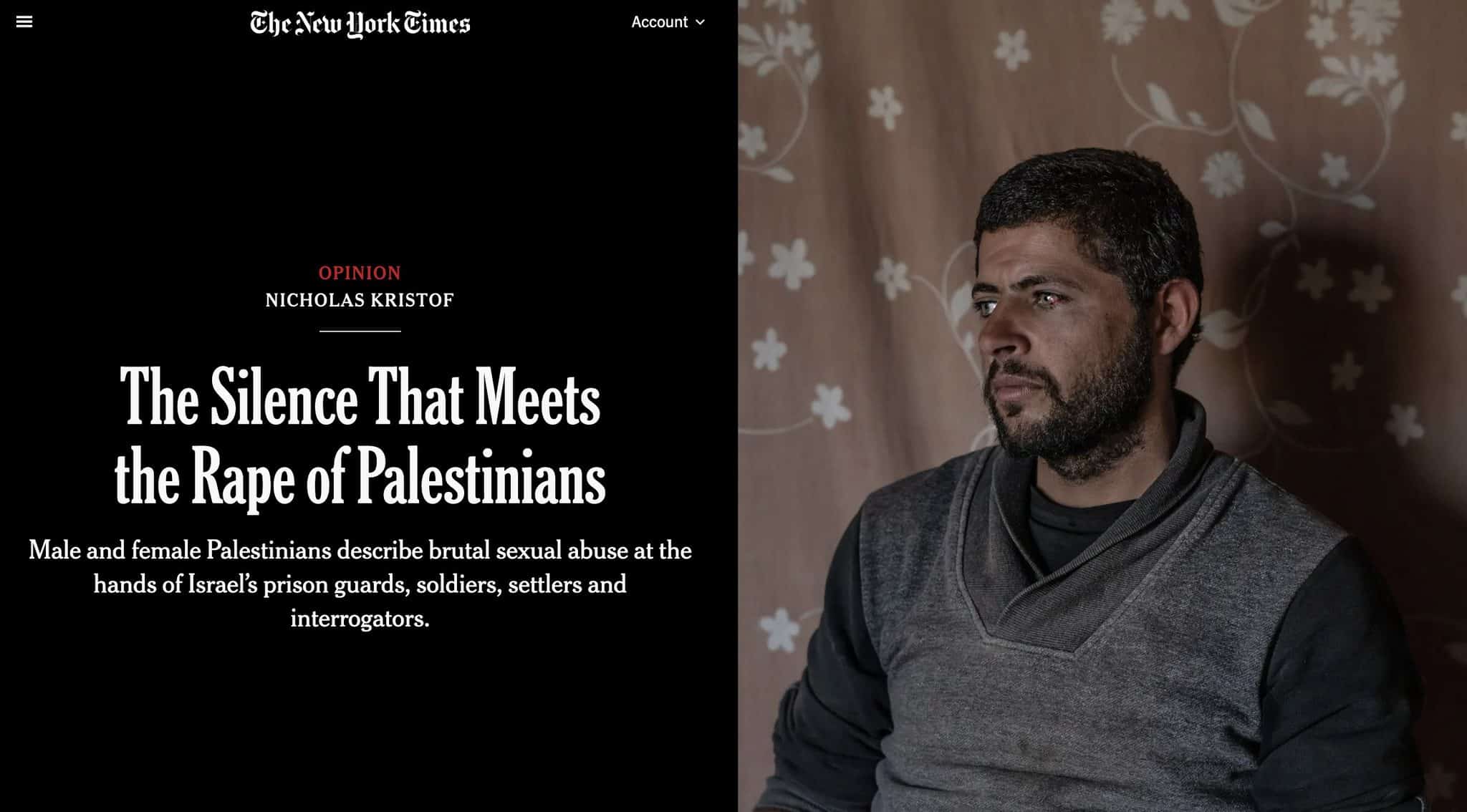
A fair bit has already been published regarding this deplorable hit piece, so I needn’t reinvent the wheel here.
I’ll simply reproduce Honest Reporting’s takedown on X here, since I found it to be the most comprehensive.
As a reminder, Nicholas Kristof is the winner of two Pulitzer Prizes and other awards for his journalism. It is hard to believe he wrote this piece of sloppy, biased journalism and the New York Times published it unless both had a particular agenda in doing so.
The Eurovision Hit Piece
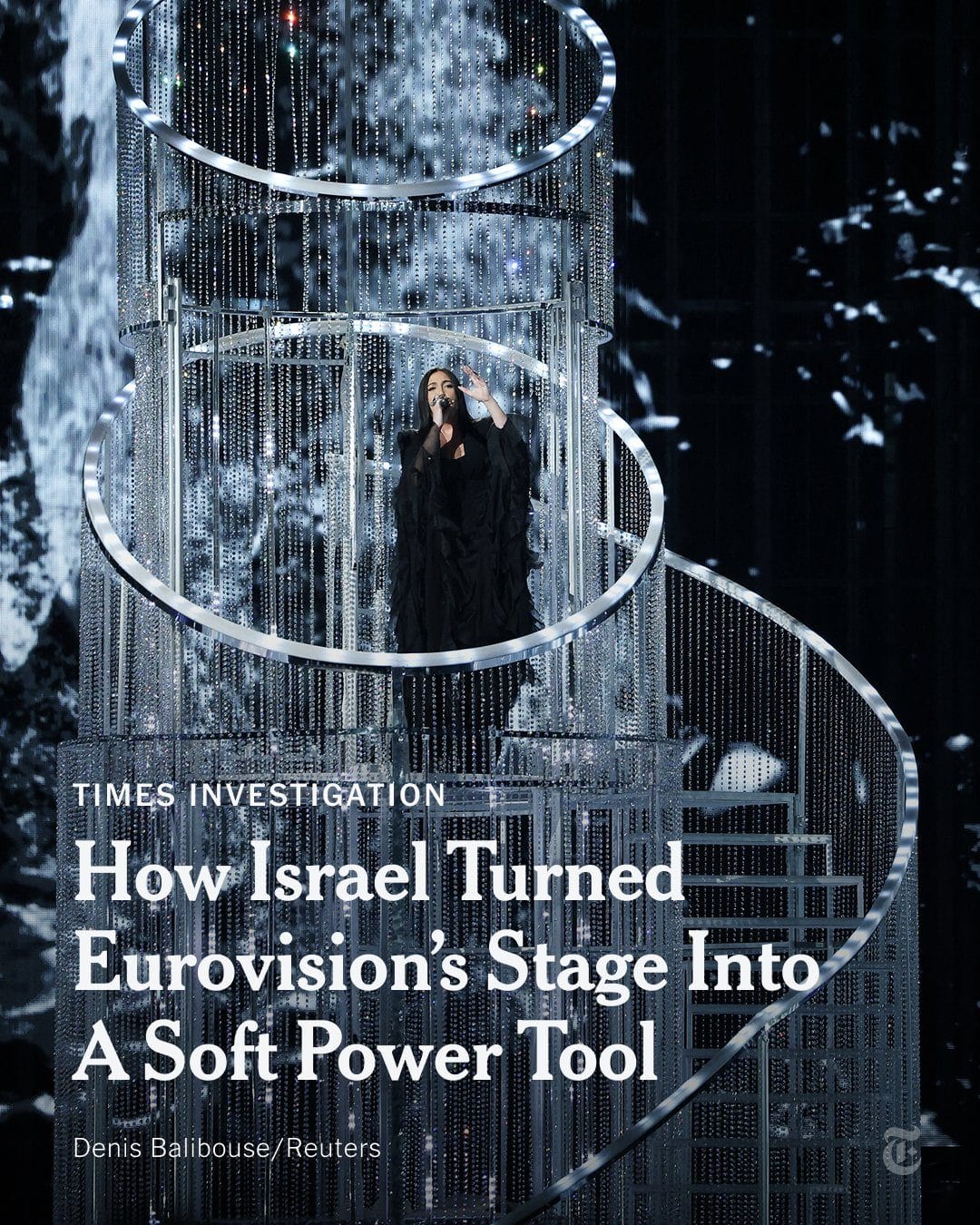
In contrast to the allegations of the Kristof piece, the so-called investigation, titled How Israel Turned Eurovision’s Stage Into a Soft Power Tool, almost seems like a joke. A bad one at that, in which the punchline never seems to quite come (unless the punchline is the Times’ own credibility).
The results of this intrepid piece of reporting? Israel did nothing wrong or illegal. No bots, vote rigging, hacking, or any rules broken. Just paying for advertising to mobilize people to vote for its contestants, as well as lobbying for Eurovision not to cave to anti-Israel pressure and expel Israel. Completely working within the rules of the competition, using the voting system as it stands – just like many other countries before it.
It’s All in The Timing
I don’t believe it is a coincidence that the New York Times published both of these hit pieces against Israel when it did. You see, a new report detailing the systematic rape and sexual violence committed by Hamas on October 7 was due to be released today – which it now has been. The timing is difficult to ignore. The Kristof fairytale seems designed to inform people that Israel committed some vile sexual crimes against palestinian Arabs, while the Eurovision bowl-of-nothing seems designed to remind people that Israel invests a lot of money into trying to manipulate public opinion.
In other words, the New York Times didn’t just publish two hit pieces against Israel yesterday. It ran a coordinated counter-narrative operation, timed precisely to muddy the waters ahead of a damning report about Hamas’s atrocities on October 7.
What yesterday’s coordinated barrage really exposed was not Israeli misconduct, but the New York Times’ priorities.
When Hamas terrorists raped, mutilated, and murdered Israelis on October 7, the paper dragged its feet, nitpicked testimony, and treated victims with a level of skepticism rarely afforded anyone else on earth. Yet when it comes to allegations against Israel – no matter how thin, contradictory, or unsupported – the Times suddenly rediscovers its investigative zeal.
And that Eurovision “exposé”? After all the dramatic framing, the shocking revelation turns out to be that Israel encouraged people to vote in a public voting competition.
Taken together, these pieces read less like journalism and more like narrative management: get the anti-Israel framing out first, muddy the waters before the Hamas sexual violence report lands, and ensure that even when Jews are the victims, Israel somehow still ends up in the dock.
This is not journalism. It is narrative management.